

Back-to-School Overwhelm? Therapy for Overfunctioning Women
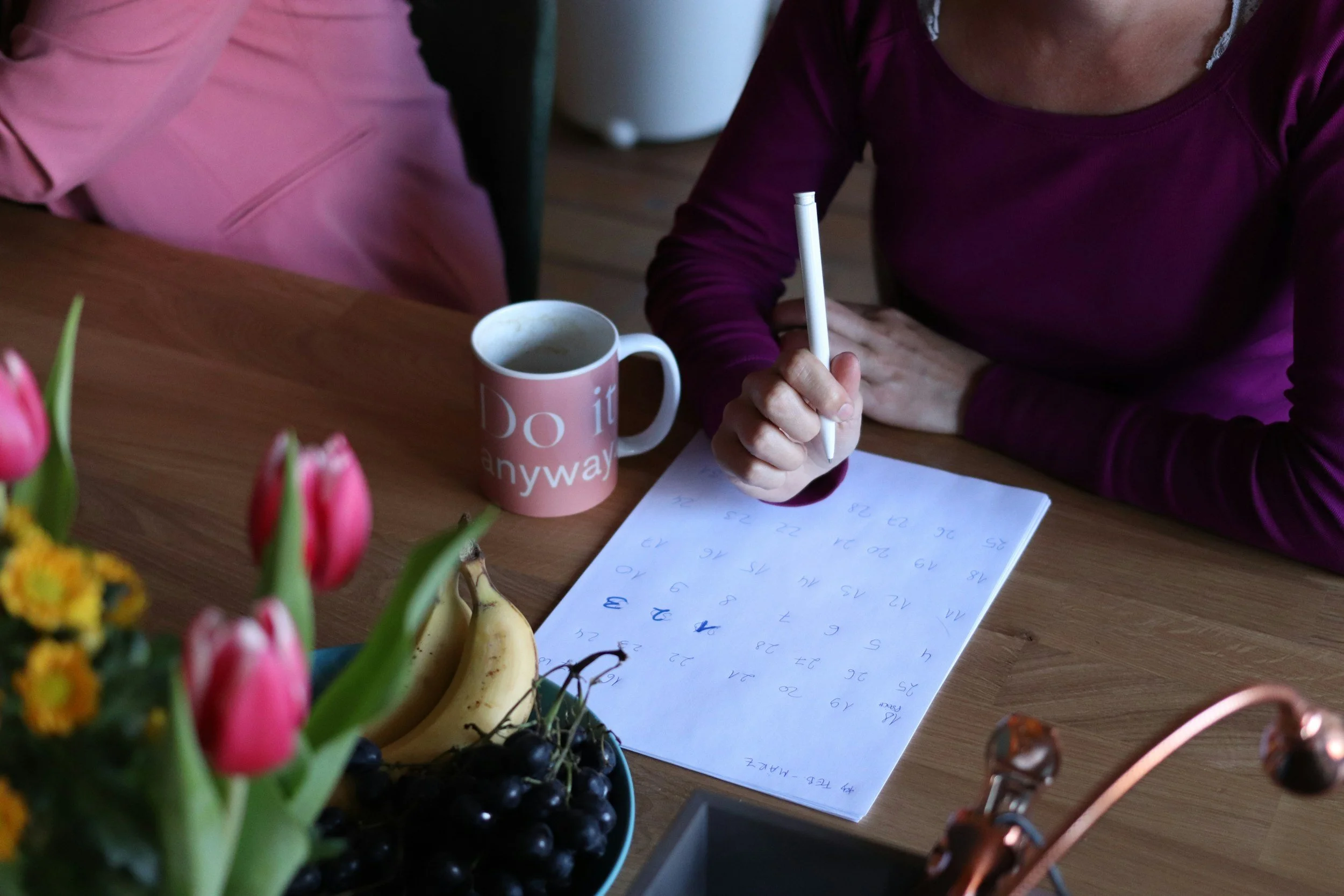
First day of school hits and suddenly life feels like it's about to fast-forward at a million miles an hour. Everything intense, everyone scheduled, and you already know you're going to blink and summer will be back before you've caught your breath. If that feeling sends you straight to Google (how do I juggle all of this, relaxation hacks for busy moms, or the scarier version, is this what my life is going to look like for the next 17 years) I want to offer a different question. What if back-to-school overwhelm isn't something to manage better, but a narrative you can actually change? This is where therapy for overfunctioning women comes in: not another hack for holding more, but a way to take back your schedule and your control before the calendar fills in without your permission.
Why Back-to-School Season Triggers Overfunctioning
Understanding the Overscheduling Trap for High-Achieving Moms
The overwhelm doesn't start with too many activities. It starts with a narrative: the quiet assumption that a full calendar is what a good school year, and a good parent, look like. So the sign-up sheet comes home, the volunteer email goes out, the second activity gets added "since we're already doing the first one," and none of it feels optional. It feels like the job.
This is where overfunctioning and people-pleasing show up disguised as parenting. Saying yes to one more committee, one more carpool, one more thing you didn't actually choose. It's the same pattern that shows up at work when you can't say no to the extra project, just wearing a different outfit. And it compounds fast. By October, you're not managing a school year, you're managing a second full-time, unpaid job you never applied for.
The googling (how do I juggle this, relaxation hacks) treats the problem as a capacity issue: I just need better tools to hold more. But the real question underneath it is bigger and scarier, and you named it yourself: is this what my life is going to look like for the next 17 years? That's not an overwhelm problem. That's a rhythm problem, and rhythm is something you can actually redesign.

Therapy for Overfunctioning Women Starts With a Reframe
A Solution-Focused Approach to Reclaiming Your Family's Schedule
Here's where I push back on the instinct to just cope better. Using a solution-focused lens, I'm less interested in helping you survive an overscheduled year and more interested in asking: what would this year look like if you built it around your actual priorities instead of everyone else's asks?
That starts with a short, honest list. Top priority for your family, top priority for your spouse or partner, top priority for your own goals, ranked, before a single thing gets added to the calendar or a single volunteer slot gets filled. Not a values statement you write once and forget. A working list you actually check something against before you say yes.
And the line I say to almost every client who's standing in the school pickup line with a volunteer sign-up sheet in her hand: the quality of the adult you raise has nothing to do with the number of activities you volunteered for. That belief is doing a lot of quiet, exhausting work in your calendar, and it's worth naming out loud, because most of the yeses this season aren't really about your kid. They're about not wanting to be the mom who said no.
If overcommitting at school feels familiar because it's also how you operate at work, [why overfunctioning shows up across every part of your life

How to Build a Rhythm Instead of a Schedule
Practical Steps to Reduce Back-to-School Overwhelm
A few concrete moves, in the order I'd actually try them:
Write the priority list first. Top priority for your family, your partner, and your own goals: three short lines, not a paragraph. This becomes the filter for everything else.
Run every new ask through that list before you answer. Sign-up sheet, volunteer email, extra activity: pause before saying yes and check it against the list. If it doesn't clearly serve one of those three things, it's a candidate to decline.
Cut before you add. If the calendar is already full, the answer to a new request isn't "squeeze it in," it's "what comes off first." Rhythm requires white space; a completely full week has none.
Let "no" be a full sentence. You don't owe an elaborate explanation for declining a volunteer slot. "That doesn't work for us this year" is enough.
Revisit the list monthly, not just in August. Rhythms drift. A five-minute check-in each month keeps the calendar honest instead of letting it slowly refill with yeses you didn't mean to give.
Research backs this up: overscheduling doesn't just stretch your time thin, it's a documented driver of burnout for both kids and the parents managing their calendars, and building in downtime is a protective factor, not a luxury.
What Would This Year Look Like If You Slowed Down?
You don't have to spend the next 17 years white-knuckling your way through every school year, googling better hacks for a calendar that was never yours to begin with. Back-to-school overwhelm isn't a sign you need to manage more. It's a signal to slow down, get honest about your actual priorities, and let your calendar reflect them instead of everyone else's requests. So before you sign anything else, ask yourself the real question: if you slowed down and looked at your family's rhythm instead of your family's schedule, how different might this school year actually look? If therapy for overfunctioning women sounds like the support you need to actually make that change, book a consultation and let's build it together.
